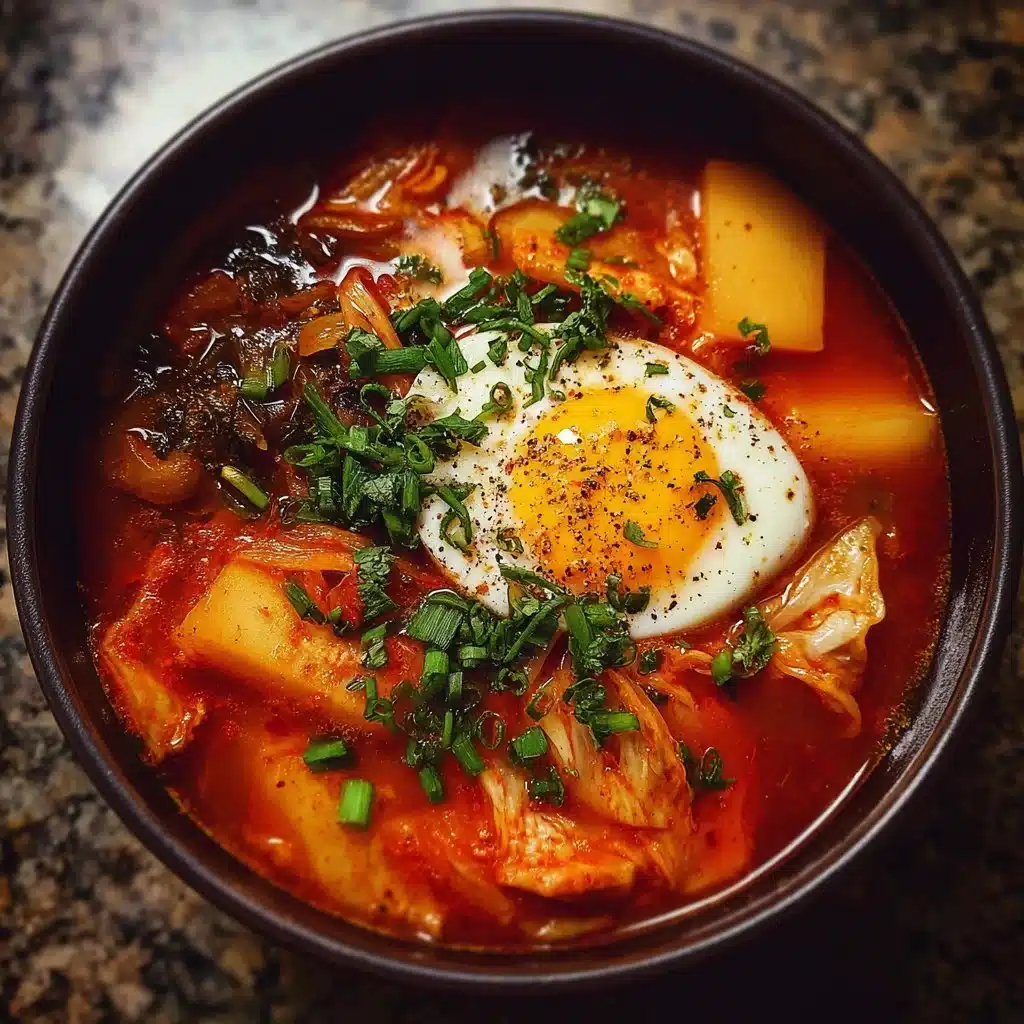
Kimchi Stew, or Kimchi Jjigae, is a vibrant delight that brings together the spicy, tangy flavors of fermented kimchi with tender protein and aromatic vegetables. This dish is a feast for the eyes, featuring a stunning red-orange broth and colorful ingredients that look as good as they taste. Whether you’re warming up on a chilly day or celebrating a gathering with friends, Kimchi Stew is an excellent choice that is sure to impress!
The sensory experience of digging into a bowl of Kimchi Stew is something special. Imagine the rich, savory aroma filling your kitchen, inviting everyone to join in. In this article, you’ll learn how to create this one-pot wonder, including tips on selecting the perfect ingredients, simple preparation steps, and delicious serving suggestions. Let’s dive into the delicious world of Kimchi Stew!
Why You’ll Love This Recipe
- Fresh Ingredients: The freshest vegetables and kimchi create vibrant flavors.
- Ease of Preparation: Simple steps make it perfect for cooks of all levels.
- Nutrition: Packed with health benefits from kimchi and veggies.
- Versatility: Easily customize with your choice of protein or extras.
- Presentation: A colorful dish that looks stunning on any table.
You’ll love how easy and rewarding it is to make!
Preparation and Cooking Time
- Total time: 40 minutes
- Preparation time: 10 minutes
- Cooking time: 30 minutes
Note that times may vary.
Ingredients You’ll Need
Making Kimchi Stew starts with selecting the right Korean kimchi, pork belly or tofu, water or broth, green onions, garlic, ginger, soy sauce, sesame oil, salt, and pepper.
Main Protein
For protein, you can choose either pork belly or tofu. Pork belly provides a rich, savory taste, while tofu offers a lighter, plant-based option.
To prepare, cut pork belly into bite-sized pieces or cube firm tofu. If you’re looking for an alternative, skip the meat for a vegan version by using extra vegetables or mushrooms.
Be careful when cooking pork belly to avoid overcooking, as it can become tough.
Starch/Pasta
While traditional Kimchi Stew is enjoyed with rice, you can also use udon noodles for a heartier meal.
Prepare rice by rinsing and cooking it in water until fluffy, or cook noodles according to package instructions. If you’re looking for an alternative, you can serve it over steamed cauliflower rice for a low-carb option.
Make sure to keep rice or noodles on standby to soak up the flavorful broth!
Seasoning/Spice Blend
Use soy sauce, sesame oil, and optional gochugaru (Korean chili flakes) to enhance flavor.
Mix these ingredients in a bowl for a deeper flavor. If you’re looking for an alternative, tamari is a gluten-free option.
Ensure you adjust the amount of soy sauce according to your taste preference; start small and add more if needed.
Liquids/Dairy
You’ll need water or broth, which provides the base for the stew.
Opt for vegetable or chicken broth for added flavor. If you’re looking for an alternative, use homemade broth for a fresher taste.
Always taste the broth before adding it to the stew, as salty broths can alter the dish’s saltiness.
Aromatics & Vegetables
Fresh garlic, ginger, and green onions are a must to enhance the aroma and flavor profile.
Mince garlic and ginger while slicing green onions. If you’re looking for an alternative, try adding shallots or leeks for a different taste.
Watch out for overcooking the garlic, as it can turn bitter.
Optional Finishing Ingredients
For finishing touches, include a sprinkle of sesame seeds and sliced green onions on top.
This will add a lovely crunch and burst of flavor. If you’re looking for an alternative, use chopped cilantro or Thai basil instead.
These toppings not only enhance flavor but also elevate the dish’s visual appeal.
Step-by-Step Instructions
Making Kimchi Stew is simple and can all be done in one pot. Let’s get started!
Step 1: Brown the Protein
Start by heating a large pot over medium heat, then add your chosen protein. Cook until browned, about 5-7 minutes. This step adds depth to the flavor!
Step 2: Sauté Aromatics
Add minced garlic and ginger and sauté for about 1 minute until fragrant. Watch closely to avoid burning!
Step 3: Add Kimchi
Stir in the kimchi and cook for 2-3 minutes. This enhances its flavor, making it more robust.
Step 4: Pour in Liquids
Add water or broth, soy sauce, and sesame oil. Bring the mixture to a gentle boil, then reduce heat to simmer, for about 20 minutes.
Step 5: Season to Taste
Taste the broth and adjust with salt and pepper if necessary. This helps achieve a balanced flavor.
Step 6: Add Vegetables
Add any additional vegetables you like, such as mushrooms or zucchini, and simmer for an additional 5-10 minutes.
Step 7: Serve and Enjoy
Ladle the stew into bowls, and garnish with green onions and sesame seeds. Serve with rice or noodles on the side. Enjoy every spoonful!
How to Serve
- Presentation: Serve in deep bowls to showcase the colorful ingredients.
- Accompaniments: Pair with steamed rice or noodles to soak up the broth.
- Portions: Make generous servings for sharing with loved ones.
- Beverage Pairing: Enjoy with cold drinks like soju or a light beer.
These tips will ensure your Kimchi Stew shines at your next meal!
Additional Tips
- For a bolder flavor, let the stew simmer longer to deepen the taste.
- Feel free to customize by adding your favorite vegetables or proteins.
- Serve with pickled side dishes for extra crunch and flavor.
Recipe Variations
- Seafood Kimchi Stew: Add shrimp or clams for a delightful seafood twist.
- Vegan Version: Use tofu and a variety of vegetables for a hearty plant-based dish.
- Spicy Kimchi Stew: Increase gochugaru for a fiery kick!
Freezing and Storage
- Storage: Keep leftovers in the refrigerator for 3-4 days in airtight containers.
- Freezing: To freeze, portion the stew in freezer-safe containers and store for up to 2-3 months.
Special Equipment
- Large pot or Dutch oven
- Wooden spoon for stirring
- Measuring spoons and cups
- Chef’s knife
- Cutting board
FAQ’s
Can I use frozen kimchi?
Yes! Frozen kimchi works, but fresh will enhance the flavor.Is Kimchi Stew healthy?
Absolutely! It’s packed with vitamins from vegetables and benefits from probiotic-rich kimchi.Can I prep this ahead of time?
You can chop veggies and prepare protein in advance for quicker cooking later.How can I customize it?
Add your favorite vegetables or proteins to make it your own!What are alternative cooking methods?
You can use a slow cooker or pressure cooker for different textures!
Conclusion
Kimchi Stew is a nourishing and flavorful dish perfect for any occasion. Its delightful blend of spices, fresh ingredients, and vibrant colors will make your meals memorable and satisfying. Don’t hesitate to whip it up, as it’s easy to make yet impressive enough for guests. Enjoy your cooking adventure, and savor every bite!
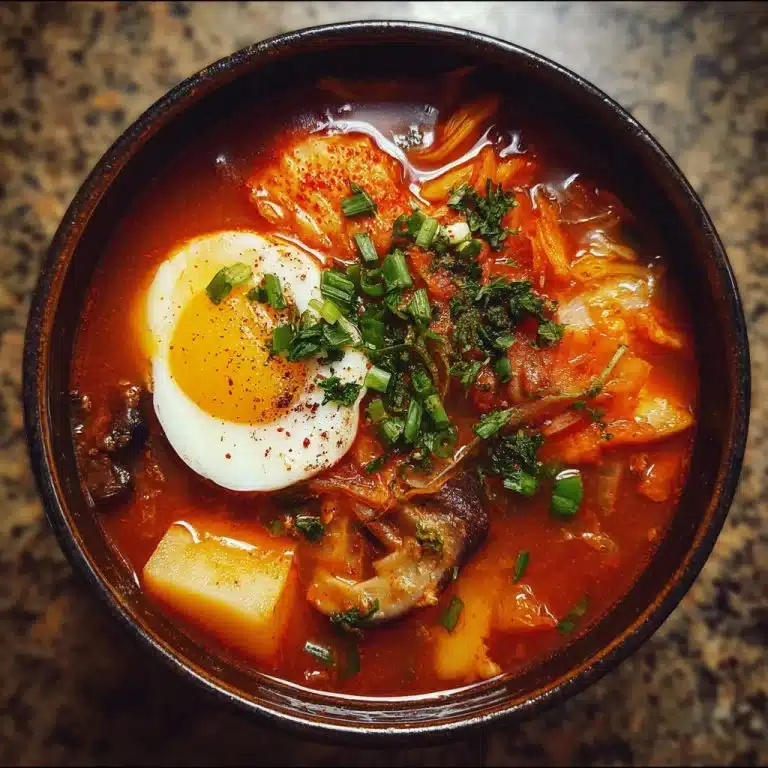




Did you make this recipe?
Share a photo and tag us, we can’t wait to see what you’ve made!